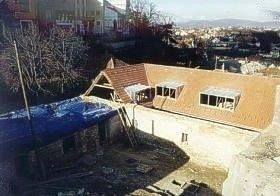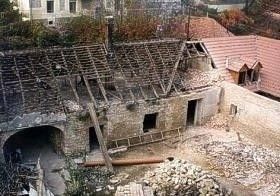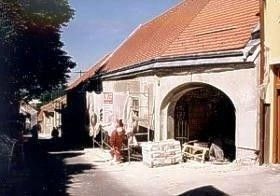

Oliva Hotel & Restaurant stands at one of the most remarkable locations in Veszprém. Buhim Street descends through a narrow passage into the wider Buhim Valley, where the Séd Stream winds its way through the city.
The name Buhim Valley has long intrigued historians. Its most likely meaning refers to a valley, ravine or steep road suitable for hiding or taking shelter.
As early as the nineteenth century, the area was home to skilled craftsmen and tradespeople, including cloth makers, tanners, woodworkers and other artisans. It is hardly a coincidence that the picturesque alley leading from Old Town Square into Buhim Street is still known today as Brewery Steps.
Historical records from 1884 mention shoemakers, umbrella makers, tinsmiths, comb makers, coopers, glovers, merchants, spice traders and innkeepers among the residents of the street. The building that today houses Oliva Restaurant was already listed in the population records of 1849.
Following several generations of owners, the property became home to the Bukor family and later to the Pusztai family, who operated a knitting workshop and subsequently one of Veszprém’s most beloved restaurants during the 1980s.
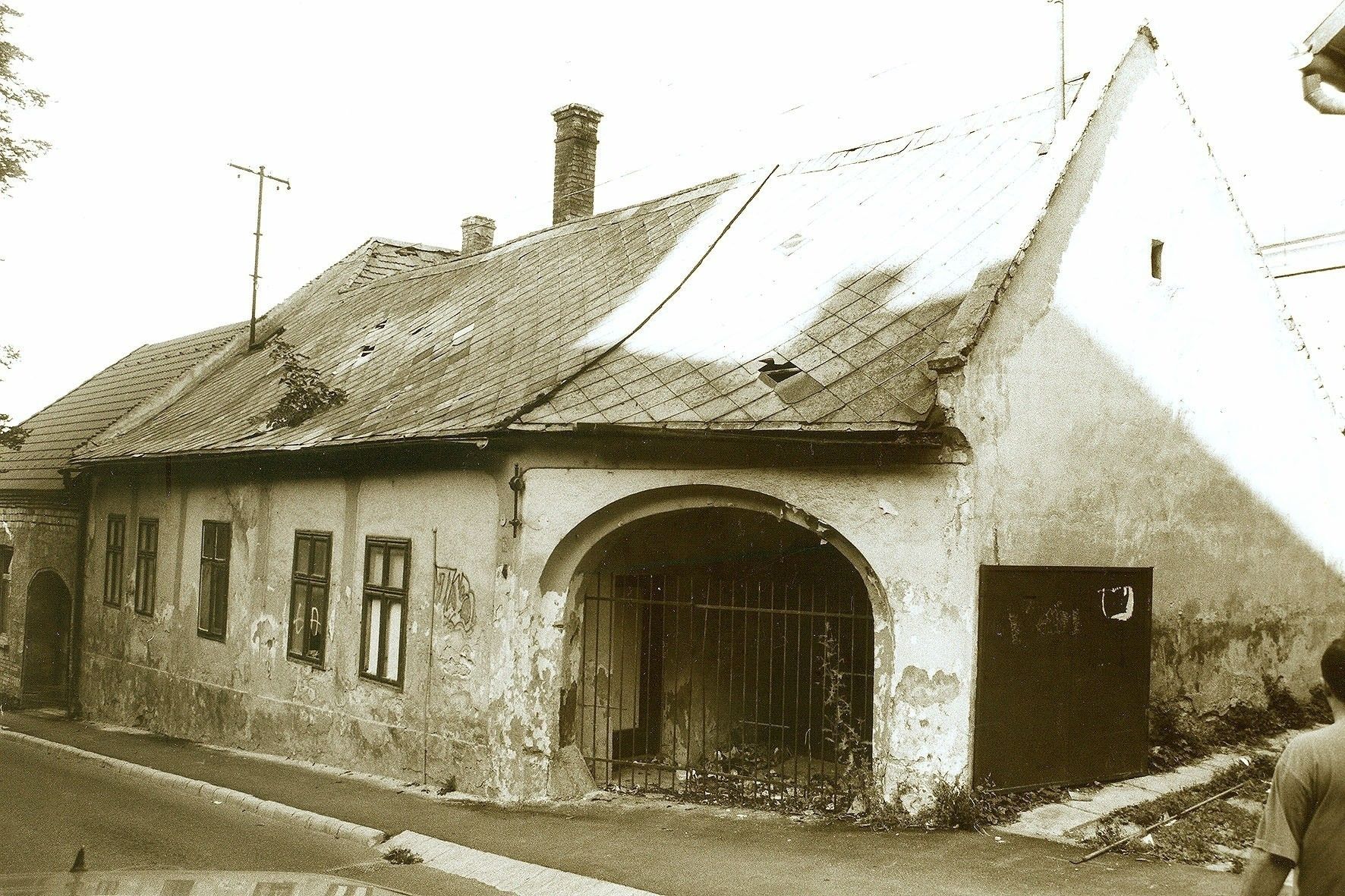
The building at 14 Buhim Street is considered one of the oldest and most beautiful residential houses in the area. Although no exact construction records survive, it is believed to have been built during the 1780s as a Baroque townhouse.
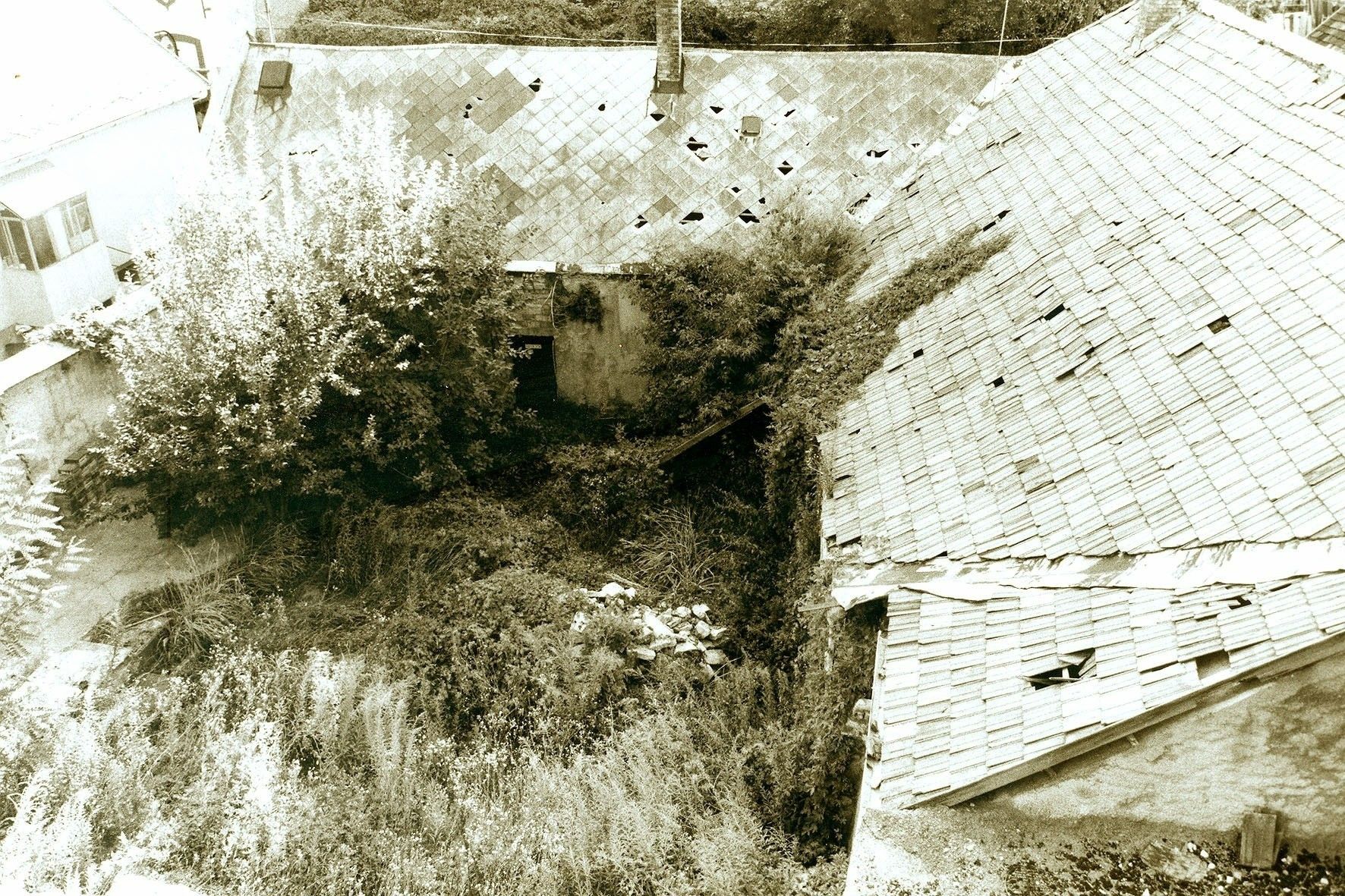
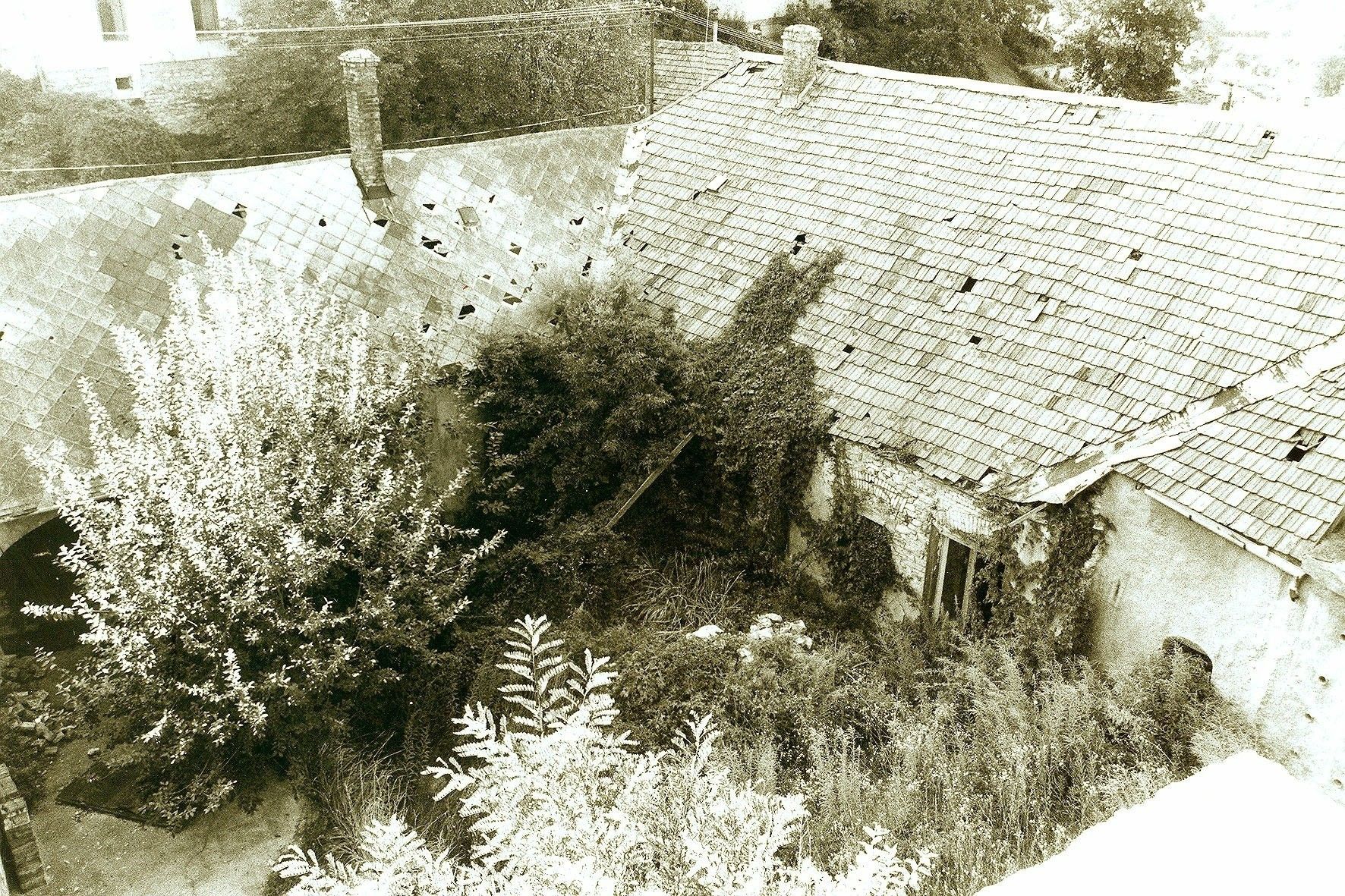
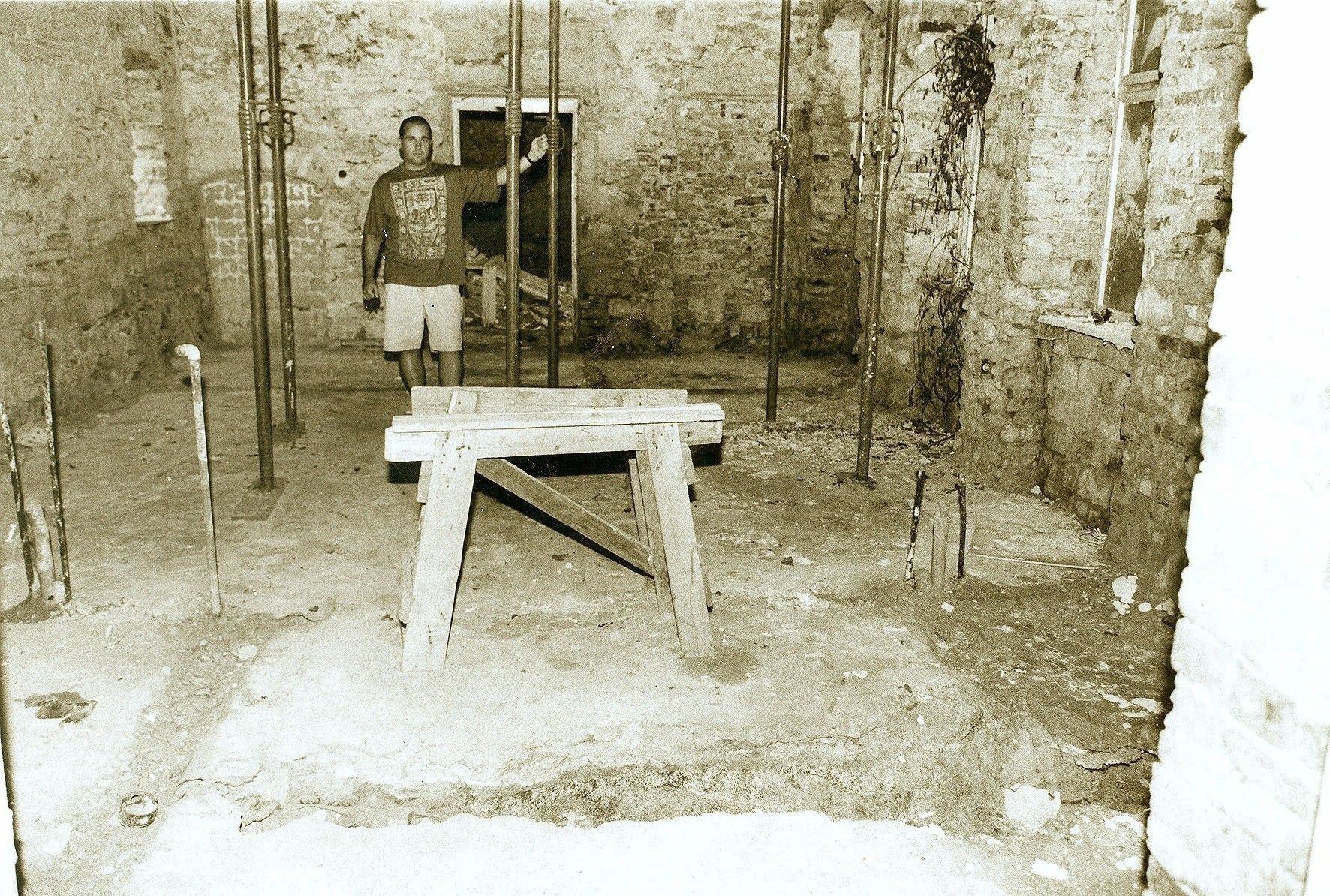
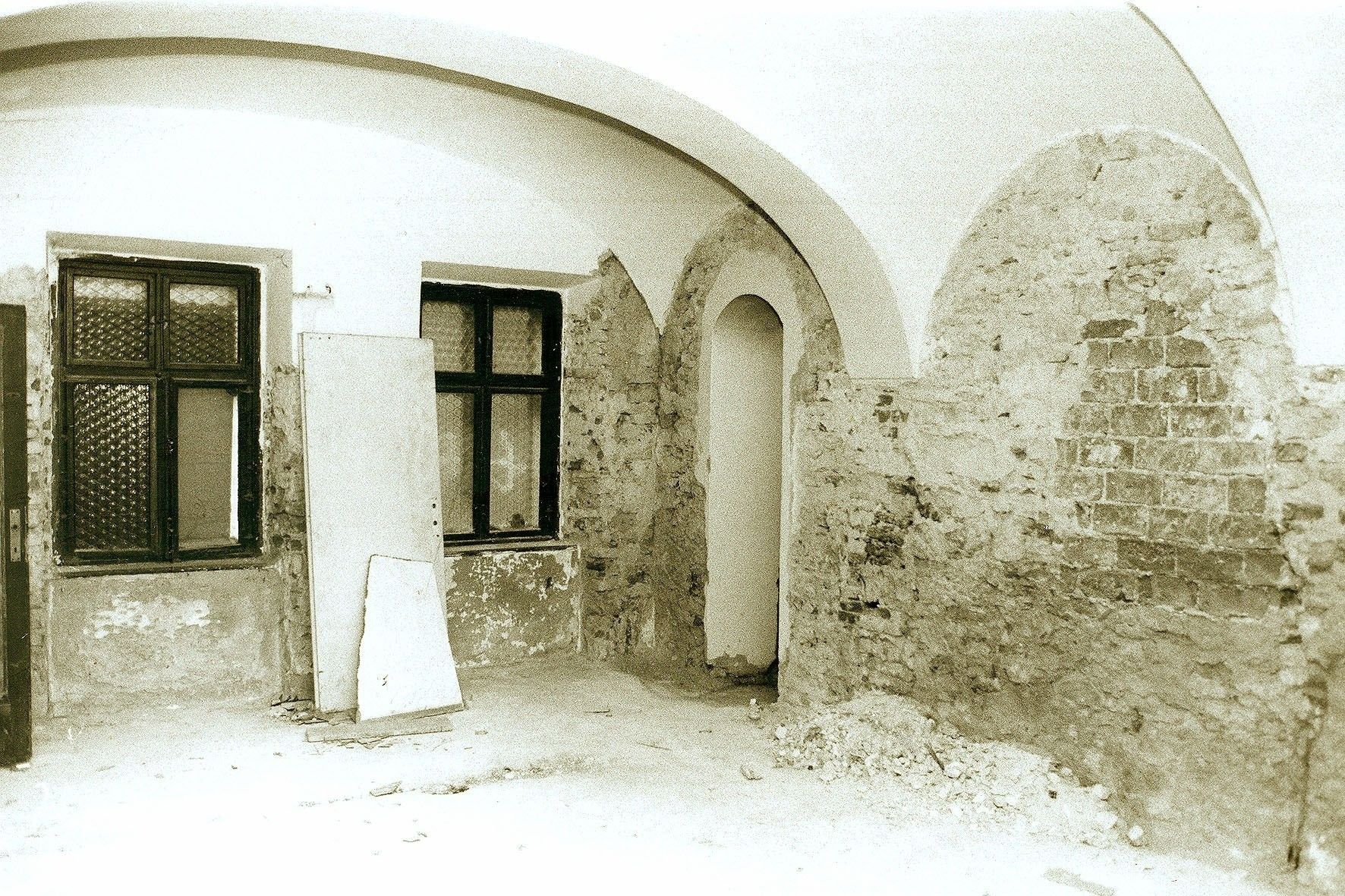
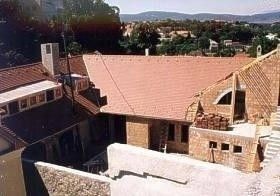
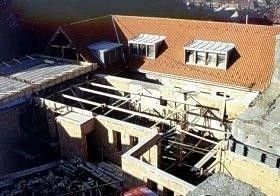
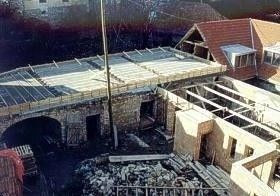
After standing vacant for years and gradually falling into ruin, the property was reborn following a change of ownership in 1997. After two years of planning and preparation, restoration and reconstruction began on 15 October 1999. Together with neighbouring properties and additional developments, the site evolved into the present-day 2,200-square-metre Oliva Hotel & Restaurant complex.
The name Oliva was chosen to reflect the Mediterranean influence visible throughout the architecture, interior design and courtyard garden.
A complete restoration was completed in 2000, preserving the original character of the Baroque building while adapting it to modern hospitality standards. The project ensured the long-term preservation of the building’s architectural heritage.
The restoration was commissioned by Oliva 2004 Ltd. Architectural design was led by József Kovács, while the interiors and gardens were designed by Tibor Jack. Later developments involved Gabriella Ábrahám, Csilla Kelemen and Tünde Mészáros.
Historical research was carried out by the Veszprém County Archives with special thanks to Balázs Somfai.
Cover: Fortepan